
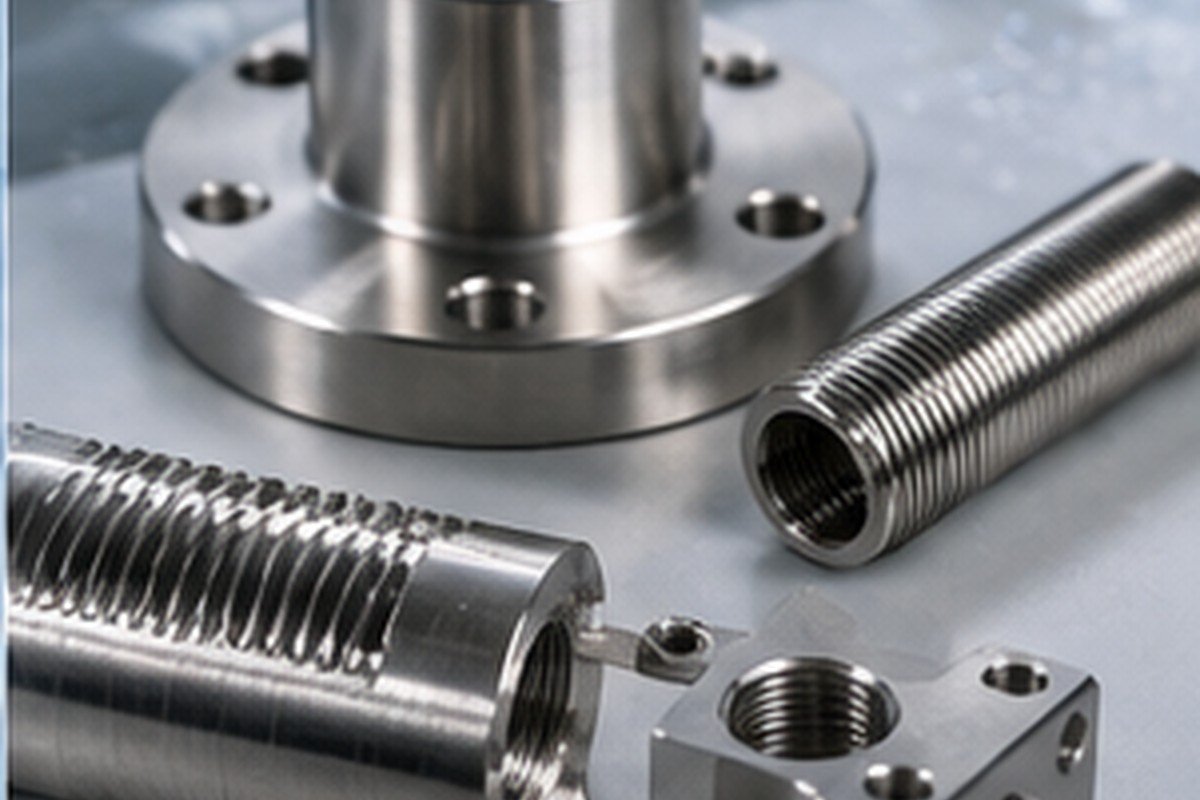
When an RFQ specifies stainless steel, the grade and paperwork should be resolved before the first bar is ordered.
Choose by service environment, not grade popularity
304 is a common starting point for general corrosion resistance. 316 and 316L include molybdenum and are often considered where chloride exposure matters, but no grade is universally corrosion-proof. The actual environment, finish and cleaning method still matter.
316 and 316L: a purchasing detail with consequences
The lower carbon limit in 316L can be important where welding or sensitization is a concern. If the drawing specifies 316, do not silently substitute 316L: confirm whether the customer accepts the grade and the certificate format. A certificate needs to trace to the material supplied.
Small batches and traceability
For two or three custom parts, raw material availability and minimum stock sizes can influence the quote. Agree whether an EN 10204 3.1 certificate or another document is required before sourcing. Certificate availability should be checked, not assumed.
Machining implications
Austenitic stainless steels can work-harden, generate heat and produce difficult chips. Stable tooling, coolant access and a sensible machining sequence help control burrs and dimensional drift. Thin features and fine threads deserve separate attention.
What engineers should send
Share the exact grade and standard, surface finish, passivation requirement if any, inspection expectations, quantity and intended application. That information makes the quote more useful than a generic stainless steel price.
Additional manufacturing considerations
The difference is not simply a price line
316 and 316L are closely related austenitic stainless steels. The principal distinction is carbon content: 316L has a lower maximum carbon limit, which can reduce sensitization risk in certain welding or thermal exposure conditions. That does not make 316L automatically the best material for every turned shaft, gear or bracket.
Consider corrosion exposure, temperature, welding, cleaning chemicals and mechanical loading. For a non-welded precision part, the drawing’s exact material standard and mechanical requirements may matter more than a generic preference for the “L” grade. If a substitution is proposed, the buyer or design authority should approve it in writing.
Small quantities and material certificates
A two-piece order may require only a short bar length, yet the buyer may still request an EN 10204 3.1 inspection certificate or an equivalent mill document. Material traceability depends on sourcing and record control, not just the alloy name on the quotation. Ask whether the certificate must identify the actual heat number used for production. A distributor’s generic datasheet is not the same as a heat-specific certificate.
Both grades can work-harden. Sharp tools, stable clamping, appropriate cutting conditions and controlled coolant application help limit burrs and poor finishes. Deep holes, thin sections and tight surface requirements may have a greater effect on price than the grade difference itself.
Specify the standard and grade, certification level, finish, passivation requirements if applicable, and whether approved equivalents are acceptable. An RFQ with these details prevents a supplier from pricing a convenient stock grade that later fails the documentation requirement.
Ask the supplier to identify the drawing revision being quoted, any assumptions that affect cost, and the inspection evidence that will accompany the parts. Where a feature is critical to assembly, agree on a measurable acceptance method before production begins.
If you are sourcing custom CNC machined components, send XS Precision your 2D drawing, 3D model, material specification, quantity and required inspection documents. We can review the manufacturing scope and clarify open technical questions before preparing a quotation.
Questions to resolve before placing an order
- Which dimensions or functional interfaces are critical for this stainless steel CNC machining project?
- What material, finish and inspection evidence should be included with each shipment?
- Which drawing revision, quantity and delivery assumptions should the supplier use?
Discuss your part with XS Precision
If you are sourcing custom CNC machined components, send XS Precision your 2D drawing, STEP model, material specification, quantity and inspection requirements. We can review the manufacturing requirements and prepare a quotation based on the information provided.
Website: https://xsprecisiontech.com/